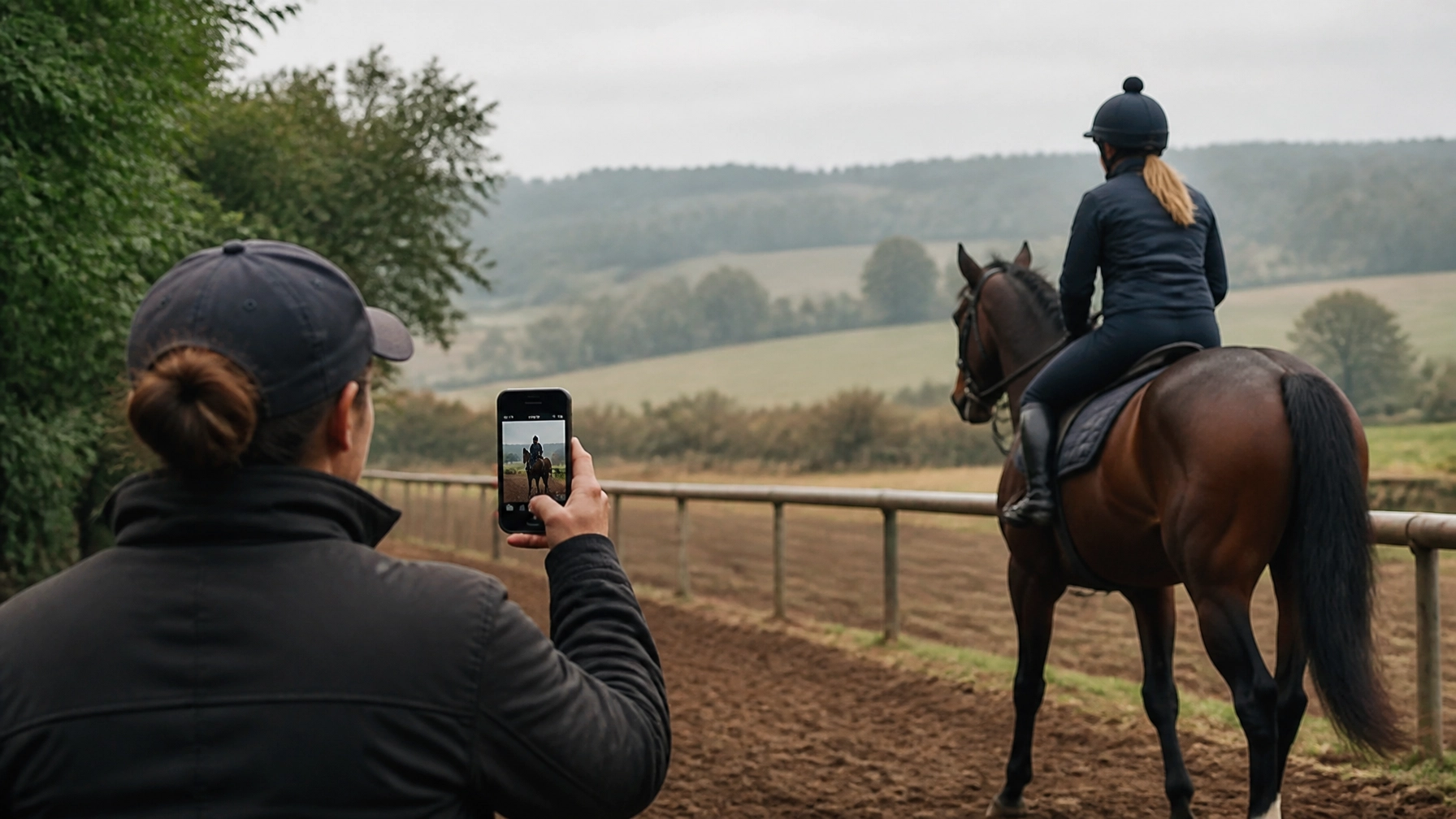
Social media can help an equestrian business attract owners, fill livery spaces, promote horses, generate breeding enquiries and build stronger relationships with existing clients.
However, consistent results require more than posting a photograph whenever you have time. A clear plan helps you publish useful content, reach the right audience and turn attention into enquiries.
This guide explains how to create a practical social media plan for a racehorse trainer, point-to-point yard, competition yard, livery yard, stud, breeding operation or equestrian centre.
1. Set a clear business objective
Start with what you want social media to achieve. Do not begin with the platform or post format.
Your objective should support a wider business priority, such as:
- Generate new owner or syndicate enquiries.
- Promote horses in training or horses for sale.
- Fill available livery spaces.
- Increase bookings for lessons, clinics or facilities.
- Generate mare, stallion or breeding enquiries.
- Attract sponsors and commercial partners.
- Increase attendance at open days and events.
- Drive more visitors to your website.
Choose one to three priorities for the next 90 days. A specific target is easier to measure than a general aim to “grow the page”.
For example:
- Generate 15 livery enquiries in three months.
- Receive five new ownership enquiries each month.
- Increase website visits from social media by 25%.
- Promote a new stallion service before the breeding season.
- Build a local audience of riders within 30 miles of the yard.
Use your social media content to support these objectives. If your main goal is to fill livery spaces, prioritise facilities, daily care, client experiences and clear availability updates.
2. Define your target audience
“Horse owners” is too broad. Identify the specific people you want to reach and understand what they need to know before contacting you.
Racehorse and point-to-point trainers
Your audience may include:
- Existing and prospective owners.
- Syndicate members.
- Bloodstock agents.
- Racing fans.
- Potential sponsors.
- Riders and stable staff.
They may want to see your training methods, facilities, results, horse welfare standards and approach to owner communication.
Competition yards
Your audience could include:
- Riders seeking training or competition livery.
- Parents of young riders.
- Owners looking for schooling support.
- Event organisers and sponsors.
- Clients interested in clinics or coaching.
Focus on your facilities, expertise, results, coaching style and the standard of care provided.
Livery yards and equestrian centres
Your content should speak to local riders and horse owners. They often want practical information about:
- Livery options and prices.
- Turnout arrangements.
- Arena and hacking facilities.
- Stable management.
- Yard rules.
- Availability.
- The wider community.
Studs and breeding operations
Your audience may include mare owners, breeders, bloodstock professionals and buyers. Show:
- Stallion credentials.
- Pedigrees and performance.
- Progeny results.
- Breeding facilities.
- Foaling and youngstock care.
- Booking information.
Write down two or three audience profiles. For each one, list their main questions, concerns and reasons for choosing your business. Use this information when planning content.
3. Choose the right platforms
You do not need to be active on every social media platform. Start with one or two platforms that suit your audience and that you can manage consistently.
Facebook remains useful for:
- Local audiences.
- Livery and equestrian centre enquiries.
- Event promotion.
- Longer updates.
- Community groups.
- Older owners and established clients.
Use it to publish practical information, announcements, results, event details and links to relevant website pages.
Instagram is well suited to visual equestrian marketing. Use it for:
- Professional horse and yard photography.
- Training clips.
- Results and progress updates.
- Reels.
- Staff and rider introductions.
- Behind-the-scenes content.
- Sponsor and partner features.
Keep your profile biography clear. State what you do, where you are based and what visitors should do next.
LinkedIn can support professional relationships with:
- Owners.
- Sponsors.
- Investors.
- Bloodstock professionals.
- Commercial partners.
- Other businesses.
Share business updates, significant results, team news, sponsorship announcements and insights into your operation.
YouTube
YouTube is useful for longer-form content, including:
- Yard tours.
- Training explanations.
- Stallion videos.
- Owner interviews.
- Facility showcases.
- Educational content.
Start with the platforms you can maintain. Two well-managed profiles are more effective than five neglected accounts.
4. Create five content pillars
Content pillars are repeatable themes that make planning easier. They also ensure that your account communicates more than just sales messages.
Use four or five pillars that reflect your business.
Training and education
Explain what happens at your yard and why. Examples include:
- A short explanation of a schooling session.
- How you prepare a horse for competition.
- A guide to winter training.
- Stable management routines.
- Feeding or fitness considerations.
- Breeding preparation advice.
Educational content demonstrates expertise without relying on promotional language.
Results and progress
Share relevant evidence of your work:
- Race results.
- Competition placings.
- Personal bests.
- Training milestones.
- Progeny achievements.
- Client success stories.
- Horse progress updates.
Include useful context. Explain the result, the preparation involved and what happens next.
Welfare and daily care
Show the standards behind your service. Content could include:
- Turnout routines.
- Grooming.
- Farrier visits.
- Veterinary care, where appropriate.
- Stable preparation.
- Staff responsibilities.
- Recovery and rehabilitation.
- Handling youngstock.
Always obtain the necessary permissions before publishing identifiable client information or sensitive veterinary content.
People and community
Introduce the people who make the business work:
- Trainers.
- Riders.
- Grooms.
- Coaches.
- Owners.
- Clients.
- Visiting professionals.
- Long-term partners.
Short interviews and informal introductions can make a professional yard more approachable.
Services and availability
Explain what people can book, buy or enquire about. Include:
- Available livery spaces.
- Training services.
- Clinics.
- Lessons.
- Stallion nominations.
- Breeding services.
- Horses for sale.
- Ownership opportunities.
- Open days and events.
State key information clearly. If prices, dates or spaces change, update the post or direct people to the relevant page on your website.
5. Set a realistic posting frequency
Choose a schedule that your team can maintain during busy periods.
A practical starting point is:
- Two or three main posts each week.
- One or two short-form videos or Reels each week.
- Stories or temporary updates when there is useful daily activity.
- Ten to fifteen minutes of engagement on most working days.
A sample weekly structure could be:
- Monday: Training or educational content.
- Wednesday: Horse, client or team update.
- Friday: Service, availability or event information.
- Weekend: Results, competition coverage or behind-the-scenes content.
Do not publish simply to meet a target. A clear, useful post is preferable to several low-quality updates.
6. Use video consistently
Professional equine videography can show movement, facilities and atmosphere more effectively than static images.
Record short clips of:
- Horses working on the gallops.
- Schooling sessions.
- Yard routines.
- Turnout.
- Facility use.
- Staff preparing horses.
- Competition or race-day activity.
- Stallions and youngstock.
- Client experiences.
Keep the footage steady, well lit and easy to understand. Film vertically for Reels and Stories. Capture horizontal footage when creating website videos or longer YouTube content.
Each video should have one clear purpose. Avoid combining too many messages in a single clip.
Add a short caption that explains:
- What the viewer is seeing.
- Why it matters.
- What they should do next.
For example: “Our competition livery programme includes structured schooling, daily turnout and regular progress reviews. Enquire through the website to discuss availability.”
High-quality photography and video should work across your website and social channels. This is one reason to plan professional web design and media production together.
7. Plan content in advance
Use a simple content calendar. It can be a spreadsheet, shared document or scheduling platform.
Record:
- Publishing date.
- Platform.
- Content pillar.
- Caption.
- Image or video required.
- Link.
- Call to action.
- Approval status.
- Results after publishing.
Plan at least two weeks ahead. Build the calendar around your operational schedule, including:
- Race meetings.
- Competition dates.
- Open days.
- Clinics.
- Foaling periods.
- Stallion booking deadlines.
- Sale dates.
- Seasonal changes.
- Livery availability.
Create a small library of reusable footage and photographs. Capture several pieces of content during one planned shoot rather than trying to create something from scratch every day.
8. Write a clear call to action
Every promotional or informative post should tell the reader what to do next.
Use direct calls to action such as:
- Enquire about available ownership opportunities.
- Book a yard tour.
- Request our livery information.
- Visit the website to view current vacancies.
- Contact us about stallion bookings.
- Register your interest in the next syndicate.
- Send us a message to discuss training.
- Read the full update on our website.
Make sure the destination works on mobile. Link to the specific page rather than sending every visitor to your homepage.
Your website should support your social media activity with clear service pages, enquiry forms, contact details and current information. A strong racehorse trainer website gives interested visitors somewhere useful to go after seeing a post.
9. Engage with your audience
Social media is a two-way communication channel. Do not treat it as a noticeboard only.
Set aside time to:
- Reply to comments.
- Answer direct messages.
- Respond to tags and mentions.
- Thank people for sharing results.
- Comment on relevant client and partner posts.
- Use question stickers and polls.
- Ask followers what information they need.
- Follow local businesses and equestrian organisations.
Respond promptly to genuine enquiries. If a question involves pricing, veterinary details or ownership terms, move the conversation to email or telephone where appropriate.
Maintain professional standards. Avoid discussing confidential client matters, criticising competitors or publishing information before it has been confirmed.
10. Measure business results
Follower numbers provide some context, but they do not show whether social media is supporting the business.
Review these metrics each month:
- Reach.
- Engagement.
- Shares and saves.
- Video views and completion rates.
- Website clicks.
- Enquiry form submissions.
- Telephone enquiries.
- Livery bookings.
- Ownership or syndicate leads.
- Breeding enquiries.
- Event registrations.
Record where enquiries came from. Add a simple question to your enquiry form, such as “How did you hear about us?” This helps identify which platforms and content types are producing commercial results.
At the end of each month:
- Identify your three strongest posts.
- Note the topic, format and call to action.
- Check whether they generated website visits or enquiries.
- Repeat the themes that produced useful results.
- Reduce content that receives attention but no business response.
- Update your plan for the next month.
Review your website and search visibility alongside your social media. The simple SEO improvements outlined by First Lot Media can help prospective clients find your business before they reach your social profiles.
Build a plan you can maintain
A strong social media plan is clear, repeatable and connected to your business objectives.
Start by defining your audience and selecting the right platforms. Create consistent content pillars. Publish at a manageable frequency. Use professional video and photography where it adds value. Include direct calls to action, respond to enquiries and measure commercial outcomes.
If you do not have the time or resources to manage this internally, an equestrian social media agency can plan content around your yard, create professional equine videography and coordinate your website and wider horse racing digital marketing.
Review your current social media plan. Choose your next three content pillars. Create a two-week calendar. Then publish the first post.
Book a free yard marketing review to discuss your website, photography, SEO and social media requirements with First Lot Media.